Bunny Note: The Handwritten Font That Elevates Small Business Branding
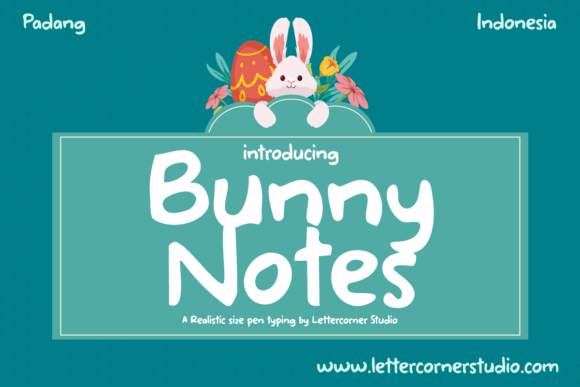
I remember the exact moment I realized my brand identity needed a refresh. I was sitting at my kitchen table, surrounded by half-empty coffee cups and stacks of plain white stickers for my new line of handmade soy candles. The labels looked clean, sure, but they felt cold. They lacked the warmth and personal touch that customers kept mentioning in their DMs. I wanted something that felt like a handwritten note from a friend, not a corporate mandate. That’s when I started looking into Bunny Note, a Script Handwritten font that promised to bring exactly that kind of sweet, friendly energy to my designs.
If you are a small business owner, entrepreneur, or creative seller trying to build a memorable brand identity, typography is one of your most powerful tools. It sets the tone before a customer even reads your product description. After testing Bunny Note across various materials—from Instagram templates to physical packaging—I found it to be an incredibly versatile asset. Here is how this creative font can help your business look more polished, consistent, and approachable.
Why Personality Matters in Typography
In the world of e-commerce and local retail, first impressions are everything. When a customer scrolls past dozens of similar products on social media or walks into a boutique, visual consistency is what makes them stop. A generic sans serif font might communicate clarity, but it rarely communicates emotion. This is where a handwritten font like Bunny Note shines.
Bunny Note has a natural, unique style that feels organic rather than forced. It isn’t overly ornate or difficult to read, which is crucial for commercial use. Its personality is sweet and friendly, making it fitting for a large pool of designs without overwhelming the viewer. Whether you are running a cozy café, a beauty brand, or a digital marketing agency, adding a human element to your visuals helps build trust. Customers connect with brands that feel accessible, and typography plays a huge role in that perception. By choosing a typeface that reflects your brand’s mood, you signal that you care about the details.
Real-World Applications for Small Businesses
The versatility of Bunny Note becomes obvious when you start applying it to real-world business assets. I tested it on several different projects, and here is how it performed in each scenario:
- Product Packaging and Labels: For my candle business, I used Bunny Note for the main title on the jar labels. Because the script is legible, it worked beautifully as a display font. It added a decorative accent that made the simple glass jar look premium and thoughtful. It pairs perfectly with minimal packaging because it provides enough visual interest on its own.
- Thank-You Cards and Inserts: One of the best ways to encourage repeat customers is through personalized touches. I designed thank-you cards using Bunny Note for the header text. The handwritten style made the message feel intimate and sincere, significantly increasing the perceived value of the unboxing experience.
- Social Media Graphics: On Instagram and Pinterest, text overlays need to grab attention quickly. Bunny Note works exceptionally well for short phrases, quotes, or sale announcements. Its natural flow draws the eye, making your social media graphics stand out in a crowded feed. It serves as an excellent creative font for highlighting key information without needing complex design layouts.
- Menus and Flyers: If you run a café or host events, Bunny Note adds a welcoming vibe to menus. It is soft enough to be easy to read but stylish enough to reinforce a boutique atmosphere. It transforms a standard list of items into an editorial design piece that customers want to photograph and share.
Readability and Design Best Practices
While Bunny Note is charming, it is important to use it strategically. As a display font, it is best suited for headlines, logos, packaging titles, and short phrases. It is not ideal for long paragraphs of body text, as the handwritten style can become fatiguing to read over extended periods. To maintain readability on small labels, mobile screens, and printed packaging, keep your text concise.
For supporting typography, I recommend pairing Bunny Note with a clean sans serif font. This creates a balanced contrast that is both modern and readable. The structured lines of a sans serif font ground the whimsical nature of the script, ensuring that essential information like prices, ingredients, or contact details remains clear. Alternatively, pairing it with an elegant serif font can create a sophisticated, high-end look suitable for luxury skincare or jewelry brands. The key is to let Bunny Note be the star while the secondary font handles the heavy lifting of information delivery.
When designing for digital ads or website banners, ensure there is enough contrast between the text and the background. Since Bunny Note has varying stroke weights, low contrast can make the letters blend into busy images. Using solid color blocks or blurred backgrounds behind the text can help improve legibility on smaller devices.
Technical Considerations for Commercial Use
Before incorporating any premium font into your commercial products, merchandise, or client work, it is essential to review the technical specifications. Bunny Note comes with specific file formats and styles that offer flexibility for different design needs. Check if the package includes alternate characters, ligatures, or multilingual support, especially if your business targets an international audience.
Always verify the commercial font licensing terms. Using a font on physical products like t-shirts, mugs, or printed flyers usually requires a specific license distinct from web or desktop use. Ensuring you have the correct permissions protects your business from legal issues and allows you to scale your brand confidently. Many designers overlook this step, assuming all fonts are free for commercial use, which can lead to costly mistakes down the line.
Building a Cohesive Brand Identity
Consistency is the backbone of a strong brand. When you use Bunny Note across your logo design, email signatures, social media templates, and physical packaging, you create a recognizable visual language. Customers begin to associate that specific handwritten style with your quality and values. Over time, this visual consistency reduces cognitive load for your audience, making it easier for them to identify your brand among competitors.
Whether you are updating an online shop banner, redesigning your menu, or creating new product tags, Bunny Note offers a solution that blends professionalism with personality. It proves that you don’t need a massive budget to create high-quality design assets. With the right typeface, even a small business can project a polished and trustworthy image. The only limit is your imagination, so experiment with sizes, colors, and pairings to find the perfect fit for your unique story.