Lunabi: The Handwritten Font That Brings Warmth to Small Business Branding
I still remember the afternoon I sat down to redesign my product labels. I had just launched a small line of handmade soy candles, and while the wax smelled divine, the packaging felt cold. My initial design used a very strict, geometric sans serif font that looked clean but lacked soul. It didn’t match the cozy, artisanal vibe I was trying to create. I needed something that felt human, approachable, and slightly imperfect in the best possible way. That search led me to Lunabi, a charming script handwritten font that completely transformed how customers perceived my brand.
If you are a small business owner, entrepreneur, or creative looking to elevate your visual identity, typography is often the silent ambassador of your brand. It sets the tone before a customer even reads your copy. Lunabi isn’t just another decorative typeface; it is a tool for building trust and connection. In this review, I will share how testing Lunabi on real business materials—from thank-you cards to Instagram templates—helped me create a more polished, consistent, and memorable brand presence.
Why Personality Matters in Typography
In the world of e-commerce and retail, first impressions happen in milliseconds. When a potential customer scrolls through their feed or picks up a product off a shelf, they make subconscious judgments based on visual cues. A rigid, corporate-looking font can signal efficiency but might also feel distant. Conversely, a warm, organic typeface signals care, craftsmanship, and authenticity.
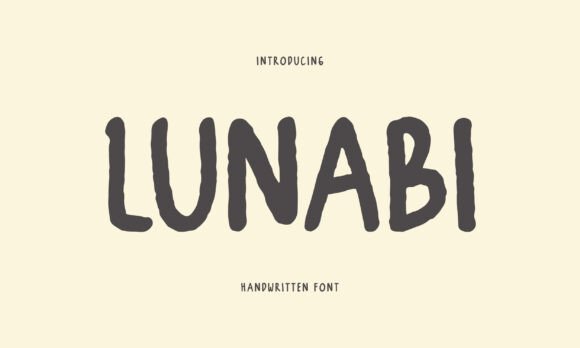
This is where Lunabi shines. As a script font with a casual and playful touch, it mimics the natural flow of hand-lettering. Its slightly irregular strokes and organic letterforms create a look that is friendly and approachable. Unlike perfectly uniform digital fonts, Lunabi has character. It feels like it was written by a real person, which is exactly what modern consumers crave. They want to buy from people, not faceless corporations. By choosing a creative font like Lunabi, you immediately soften your brand’s image, making it feel more inviting and less intimidating.
For businesses in the beauty, wellness, food, or lifestyle sectors, this shift in perception is crucial. A skincare brand using Lunabi on its jar labels doesn’t just sell cream; it sells a self-care ritual. A boutique using it on clothing tags suggests attention to detail and artistic flair. This emotional resonance is hard to achieve with standard body text fonts.
Real-World Applications: From Packaging to Digital Ads
I put Lunabi to the test across several key areas of my business to see how it performed in both print and digital environments. Here is how it held up in practical scenarios:
- Product Packaging and Labels: For my candle jars, I used Lunabi for the main product name. Because the font has a bit of weight and distinct curves, it remained legible even when printed on small curved surfaces. It added a premium, artisanal feel that made the product look worth the price tag. It works beautifully as a display font on boxes, bags, and stickers.
- Social Media Graphics: Consistency is key for growing an audience. I updated my Instagram templates to feature Lunabi for headlines and short quotes. On mobile screens, where space is limited, the playful nature of the font grabs attention without feeling cluttered. It pairs exceptionally well with minimalist photography, allowing the text to act as a focal point rather than a distraction.
- Thank-You Cards and Inserts: One of the most powerful moments in the customer journey is unboxing. I replaced my generic printed notes with cards featuring Lunabi for the "Thank You" header. The handwritten style felt personal and heartfelt, significantly increasing the likelihood of customers sharing photos of their purchase online.
- Website Banners and Headers: While Lunabi is too stylized for long paragraphs of body text, it is perfect for hero sections on websites. Using it for a welcome message or a seasonal sale banner adds immediate personality to your web design. It breaks up the monotony of standard web typography and guides the eye to important calls to action.
It is important to note that Lunabi is best suited for headlines, logos, and short phrases. It is not designed for long-form editorial content. Think of it as the jewelry of your design—accent pieces that draw the eye and add sparkle, rather than the foundation itself.
Font Pairing and Visual Harmony
One of the biggest mistakes small business owners make is using too many fonts. To keep your brand identity cohesive, you need a balanced hierarchy. Lunabi’s organic, loose structure requires a partner that provides stability. If you pair it with another busy script, the design becomes chaotic and hard to read.
The most effective strategy is to pair Lunabi with a clean sans serif font or an elegant serif font. For example, I use a simple, modern sans serif for all my product descriptions, shipping information, and website body copy. This contrast creates a professional look: Lunabi handles the emotional appeal and branding, while the neutral font ensures clarity and readability. This combination is versatile enough for everything from café menus to coaching brand flyers.
When designing, always consider the context. If you are creating a luxury aesthetic, pair Lunabi with a high-contrast serif font. If you are aiming for a fresh, youthful vibe, stick with a geometric sans serif. This flexibility makes Lunabi a valuable asset in any designer’s toolkit, whether you are working on packaging design, logo design, or social media graphics.
Practical Tips for Implementation
Before you start downloading and designing, there are a few technical aspects to consider to ensure you get the most out of this premium font.
- Check Included Styles: Ensure the package includes various weights or alternates if available. Some versions of Lunabi may offer different stroke widths or special characters that can enhance your designs.
- Verify File Formats: Make sure you receive industry-standard files (like OTF or TTF) that are compatible with your design software, whether that is Adobe Illustrator, Photoshop, Canva, or Affinity Designer.
- Review Licensing: Always check the commercial license. Since you intend to use Lunabi on products you sell, such as merchandise, templates, or client work, you need a license that permits commercial distribution. Using a font incorrectly can lead to legal issues, so protecting your business starts with proper licensing.
- Test Readability: Print a sample label or view your graphic on a mobile device. Fonts that look great on a large desktop monitor might become illegible on a small phone screen or a tiny product tag. Lunabi’s irregular strokes are generally quite readable, but always proofread at the final size.
Typography is one of the most cost-effective ways to upgrade your brand. By switching to a thoughtful, character-rich typeface like Lunabi, you signal to your customers that you care about the details. It transforms generic materials into branded experiences. Whether you are refreshing a menu, updating an online shop banner, or designing new product labels, Lunabi offers the perfect blend of professionalism and playfulness. It helps your business stand out in a crowded market by sounding friendly, trustworthy, and distinctly yours.