January New Year: A Handwritten Typeface for Seasonal Craft Designs
I was sitting at my desk last week, surrounded by half-finished candle labels and a scattered pile of matte sticker paper, trying to find the perfect text for my new winter collection. I had just finished pouring wax into amber jars, and I wanted the packaging to feel warm, inviting, and distinctly personal. That is when I pulled up January New Year. It wasn’t just another script font; it felt like a handwritten note from a friend who understands the cozy rhythm of the season. As a maker who spends hours designing printable wall art, boutique tags, and digital templates, I know that typography can make or break a product’s perceived value. This Script Handwritten typeface has quickly become a staple in my design workflow, bridging the gap between professional polish and authentic, handmade charm.
The Visual Personality of January New Year
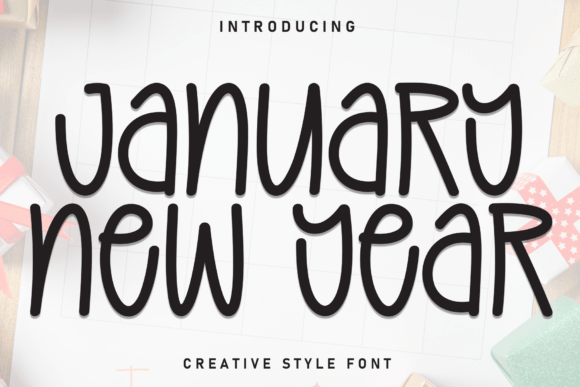
What strikes you first about January New Year is its natural flow. Unlike rigid calligraphy fonts that can feel stiff or overly decorative, this font breathes. It captures the essence of a quick, joyful scribble—friendly, approachable, and undeniably sweet. The strokes vary slightly in thickness, mimicking the pressure of a real pen, which adds an organic texture to your designs. This visual personality makes it incredibly versatile for makers who want their products to stand out without shouting.
In the world of modern typography, there is a constant search for balance. You want something that reads well but still carries character. January New Year hits that sweet spot. It works beautifully as a display font on large formats like farmhouse signs or wedding welcome boards, where its unique style grabs attention. Yet, it remains legible enough for smaller applications, such as product labels on small-batch soaps or intricate details on greeting cards. Its charm lies in its simplicity; it doesn’t try too hard, which allows the other elements of your design—like textures, colors, and illustrations—to shine alongside it.
From Digital Mockups to Physical Products
One of the most satisfying parts of being a handmade seller is seeing a digital file transform into a tangible object. I recently used January New Year to design a set of holiday gift tags. I paired the handwritten title with a clean sans serif font for the ingredient lists, creating a harmonious contrast that feels both curated and casual. When I printed these tags on kraft paper and attached them to linen tote bags, the effect was immediate. The font added a layer of emotional appeal that customers responded to positively. It signaled that care had been put into every detail of the package.
This versatility extends to digital downloads as well. If you create planner pages, journal inserts, or social media graphics, having a reliable creative font is essential. I’ve found that January New Year works exceptionally well for motivational quotes in printable wall art. The slight irregularity of the letters gives the artwork a human touch, making it feel less like mass-produced decor and more like a personal statement. Whether you are designing for Etsy listings, blog headers, or brand identity materials, this font helps establish a consistent voice that resonates with audiences looking for authenticity.
Practical Applications for Makers and Sellers
When integrating January New Year into your shop materials, consider the context of each product. Here are some realistic ways I have seen this typeface come to life:
- Candle and Soap Labels: Use the font for the main product name or scent description. Its friendly nature complements the sensory experience of home fragrances.
- Greeting Cards and Invitations: Perfect for birthday invitations, baby shower announcements, or seasonal greetings. The handwritten style feels intimate and celebratory.
- Boutique Packaging Tags: Ideal for attaching to clothing, jewelry, or accessories. It adds a touch of elegance without feeling formal.
- Seasonal Decor: Great for fall harvest signs, winter wonderland prints, or spring florals. The font adapts easily to different color palettes and themes.
- Digital Templates: Include it in Canva templates or Photoshop mockups to give your clients a ready-to-use aesthetic that is both trendy and timeless.
In each of these scenarios, the key is thoughtful placement. Because January New Year is a Script Handwritten font, it commands attention. It should be used for short phrases, names, titles, or decorative wording rather than long paragraphs of body text. For longer descriptions, pair it with a highly readable serif font or a simple sans serif font. This combination ensures that your customers can easily read the information while still enjoying the artistic flair of the headline.
Readability and Production Tips
As someone who frequently cuts vinyl for Cricut and Silhouette users, I pay close attention to how fonts behave when scaled down. While January New Year is beautiful, readability can sometimes be a challenge on very small stickers or intricate cut files. To avoid frustration during production, test your designs at actual size before committing to a full print run. If you are using the font for product labels, ensure there is enough contrast between the text and the background color. Dark ink on light paper, or white vinyl on dark surfaces, tends to work best.
Another important consideration is font pairing. Since January New Year has a distinct personality, it pairs well with neutral, understated typefaces. A geometric sans serif can provide a modern counterpoint, grounding the whimsy of the script. Alternatively, a classic serif font can add a touch of sophistication, elevating the overall look of your brand identity. Experimenting with these combinations allows you to create dynamic layouts that keep the viewer engaged.
Technical Details and Licensing
Before incorporating January New Year into your commercial projects, it is crucial to review the licensing agreement. Most premium fonts require a commercial license if you plan to sell physical products, templates, or merchandise featuring the design. Check for included styles, alternates, ligatures, and swashes, as these features can significantly enhance your design options. Some versions may also offer multilingual support, which is valuable if you are targeting international markets.
Additionally, verify the file formats available. TrueType (TTF) and OpenType (OTF) files are standard, but ensuring compatibility with your design software—whether it’s Adobe Illustrator, Photoshop, or Procreate—is vital for smooth workflow. By understanding the technical specifications and legal requirements, you can use January New Year confidently, knowing that your creative assets are protected and professionally executed.
Ultimately, typography is more than just letters on a page; it is the voice of your brand. January New Year offers a delightful, handcrafted voice that speaks directly to the hearts of craft lovers and shoppers alike. Whether you are designing your next best-selling candle label or a series of digital planners, this font provides the perfect blend of style and substance. Let your imagination guide you, and watch as your products take on a new level of charm and connection.