Missionaye: The Handwritten Typeface for Authentic Brand Storytelling
I was sitting at my desk late Tuesday night, surrounded by half-cut vinyl sheets and a stack of unsold candle labels. I had just finished designing a new line of soy wax melts, but the typography felt flat. It looked like every other generic listing on the marketplace. I needed something that whispered "handmade" without screaming "amateur." That’s when I pulled up Missionaye. Within seconds, the entire mood of the project shifted. This wasn’t just another script font; it was a personality.
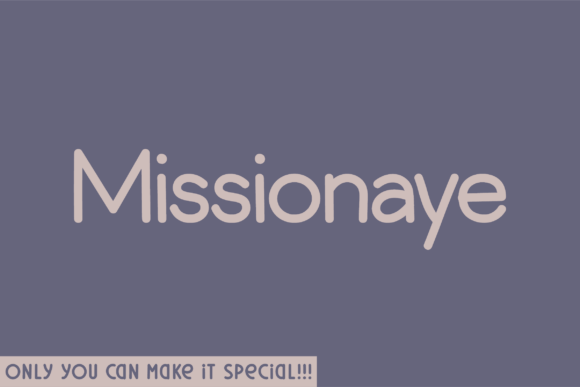
If you are a crafter, printable creator, or small business owner looking to elevate your visual identity, you know that typography is often the difference between a scroll-past and a click-through. Missionaye is a natural handwritten font that stands out because it refuses to be perfect. It retains the subtle indentation and irregularity of each character node, giving it a distinct, human touch. In a sea of polished, vector-perfect typefaces, Missionaye feels like a genuine note passed from friend to friend.
The Visual Personality of Missionaye
What makes Missionaye so compelling for handmade sellers is its refusal to change a single node in each character’s indentation. This technical quirk translates into a visual charm that feels organic and unforced. It doesn’t look like it was generated by an algorithm; it looks like it was written with a brush pen or a fine-tip marker after a good cup of coffee.
This font carries a specific mood: warm, approachable, and slightly rustic. It fits perfectly into the aesthetic of modern boho, farmhouse chic, or minimalist boutique branding. When you apply this Script Handwritten style to your products, you aren’t just labeling them; you are setting a tone. The slight imperfections invite the viewer in, suggesting that real hands were involved in the creation process. For creators who sell physical goods, this perceived authenticity is invaluable.
From Digital Mockups to Physical Products
I recently tested Missionaye across several different product categories to see how it held up in the real world. Here is how it performed in my actual production workflow.
Candle Labels and Product Packaging
For my wax melt project, I used Missionaye for the main product name. Because the font has a bit of weight and character, it remained legible even when scaled down on small circular labels. However, I learned quickly that readability is key. I paired the Missionaye title with a clean, simple sans serif font for the ingredient list and weight details. This contrast ensured that while the brand name grabbed attention, the practical information remained easy to read. The result was a label that looked premium and curated, not cluttered.
Greeting Cards and Wedding Stationery
One of the most popular digital downloads I create are wedding invitation suites. Missionaye works beautifully for names and titles on these pieces. Its fluid lines mimic the elegance of calligraphy without the complexity of traditional cursive. When designing a welcome board or a table number sign, using Missionaye adds a personal touch that guests appreciate. It feels intimate, which is exactly what you want for a special event. Just remember to test the kerning; the unique node structure means some letter combinations might need manual adjustment to look balanced.
Stickers and Boutique Tags
I also experimented with Missionaye for die-cut stickers and hang tags for clothing boutiques. On a sticker sheet, short phrases work best. Words like "love," "grateful," or "blessed" pop off the page because of the font’s dynamic flow. However, longer sentences can become hard to decipher if the letters are too close together. For boutique tags, I used the font for the brand logo and paired it with a bold display font for size indicators. This combination created a hierarchy that guided the customer’s eye naturally from the brand to the product details.
Design Tips for Makers and Sellers
To get the most out of Missionaye in your own projects, consider these practical design strategies.
- Keep it Short: Missionaye is a display font. It shines in headlines, logos, quotes, and short phrases. Avoid using it for body text or long paragraphs, as the unique node indentations can cause eye fatigue over long distances.
- Master Font Pairing: Since Missionaye is a creative handwritten font, it needs balance. Pair it with a neutral sans serif font for clarity or a classic serif font for elegance. A clean geometric sans serif creates a modern contrast, while a traditional serif adds a touch of vintage sophistication.
- Consider Your Medium: If you are cutting vinyl for mugs or shirts, ensure your file resolution is high enough. The intricate curves of Missionaye can sometimes lose detail if scaled too small on a cutting machine preview. Always do a proof print before committing to expensive materials.
- Use White Space: Let the font breathe. Because Missionaye has such strong visual personality, surrounding it with ample negative space allows its unique shapes to stand out. Crowded designs will dilute its impact.
Technical Details and Licensing
Before purchasing any typeface for commercial use, it is crucial to review the included styles and licensing terms. Missionaye typically comes with various weights and possibly alternates or ligatures, which allow you to customize the look of your text. Check if the font supports multilingual characters if you plan to target international customers or include foreign phrases in your designs.
Always verify the commercial license. Most premium fonts require a separate license for merchandise sales, such as selling t-shirts, mugs, or printed cards. Some licenses cover digital templates and printables differently than physical goods. Understanding these distinctions protects your business and ensures you are respecting the designer’s rights. Look for clear guidelines on how many items you can produce or if there are restrictions on resale platforms like Etsy or Amazon KDP.
Elevating Your Brand Identity
In the crowded world of handmade goods, consistency builds recognition. By integrating Missionaye into your brand identity—from your shop banner to your thank-you cards—you create a cohesive experience. Customers begin to associate that specific handwritten flow with your quality and care. It becomes part of your story.
Whether you are designing seasonal holiday tags, planner pages, or social media graphics, Missionaye offers a versatile tool for expression. It bridges the gap between digital design and tactile craft. As you experiment with this font, pay attention to how it changes the emotional response of your audience. Does it feel more personal? More inviting? These subtle shifts can significantly boost engagement and customer loyalty.
Ultimately, Missionaye is more than just a collection of glyphs; it is a design asset that brings humanity back into digital creation. For makers who value authenticity, this Script Handwritten typeface is a powerful addition to their toolkit. Start by testing it on a single product label or a digital download preview. See how it transforms your work from ordinary to unforgettable.